
Summary: The need for skilled electrical workers is skyrocketing across the country, driven by aging infrastructure, renewable energy, and massive new data centers. While many traditional white-collar jobs are feeling the threats of AI, the skilled trades are experiencing an unprecedented boom in demand. Want to take advantage of this opportunity? Registered apprenticeship programs are the best place to start. Read on to learn more.
Over the last year, you’ve probably noticed a few topics that keep showing up in the news.
One is the future of work, particularly in white-collar fields, where AI and automation are raising big questions about what jobs will be eliminated five, ten, or twenty years from now.
Another is almost the exact opposite story: America desperately needs more skilled workers.
While some parts of the workforce are wondering what comes next, the skilled trades are already seeing incredible demand, and electrical workers are right at the heart of it.
The U.S. Bureau of Labor Statistics projects employment for electrical workers to grow 9% from 2025 to 2035, compared with about 3% for all occupations.
So why are electrical workers suddenly needed everywhere?
Why is Demand for Electrical Workers Growing?
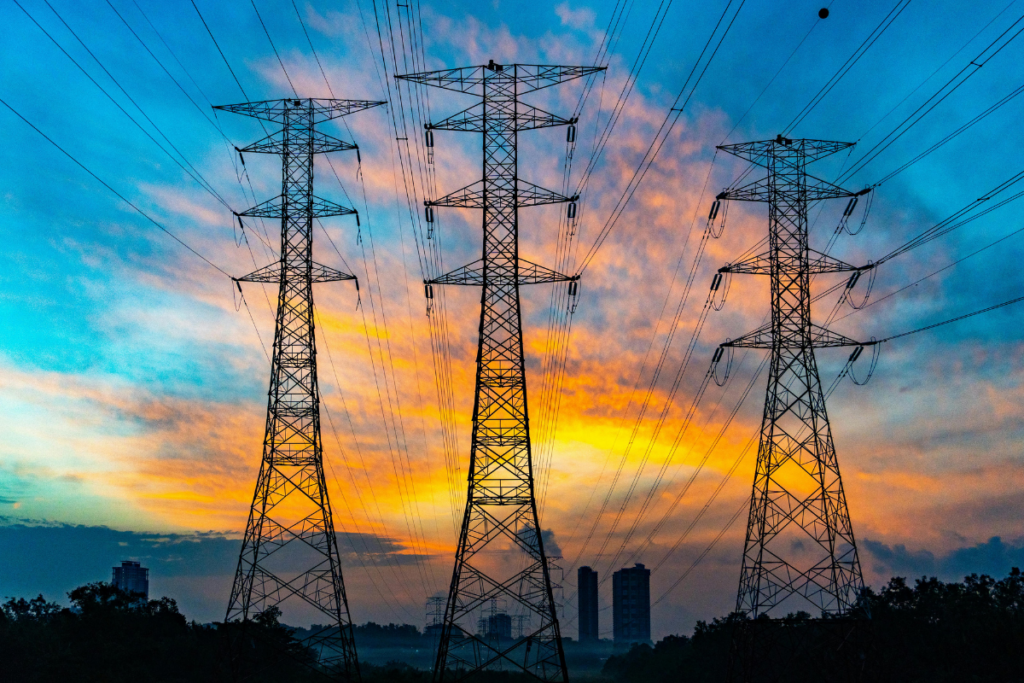
Some of the biggest forces reshaping the American economy right now have one thing in common: they all require more power, more infrastructure, and more skilled professionals who can build and maintain the systems behind them. Here’s what’s driving that demand.
- AI and data centers are creating enormous new power needs. The rapid expansion of AI is driving a wave of data center construction, and those facilities require major electrical systems to operate.
- America’s electrical grid is aging while demand is climbing. Aging infrastructure is one of the central challenges facing the grid today. At the same time, data centers, manufacturing, and other large users are pushing electricity demand higher, creating a need for both major upgrades and entirely new infrastructure.
- A major shift toward renewable energy is already underway. Solar installations, EV charging systems, and grid upgrades all need skilled electrical workers to install, connect, and maintain them, making this a major source of job growth in the years ahead. In fact, the BLS projects solar photovoltaic installer employment to grow 36.5% from 2025 to 2035. That’s huge!
- There simply aren’t enough skilled electrical workers to meet the need. The Department of Energy is already reporting shortages in electrically skilled occupations as major projects compete for the same workers.
Is There Really a Shortage of Skilled Electrical Workers?
Yes, and it’s only expected to grow.
The U.S. Department of Energy’s 2026 U.S. Energy & Employment Report confirms that employers are already struggling to find enough workers with the right electrical, construction, installation, and repair skills. At the same time, many experienced tradespeople are reaching retirement age, which means the industry has to replace seasoned workers while also finding new people to meet growing demand.
That combination is creating a real opening for the next generation of electrical workers.
How Do You Get Started with a Career in the Electrical Trades?
For many electrical workers, the best place to start is a registered apprenticeship. Instead of paying thousands of dollars to learn a career and hoping there’s a job waiting at the end, you start working right away.
Through a registered apprenticeship, you’ll:
- Earn while you learn, collecting a paycheck from day one.
- Learn from experienced electrical workers on real job sites.
- Build your skills over time, with your pay increasing as you progress.
- Graduate with a nationally recognized credential and real experience, not just classroom knowledge.
It’s a clear and direct path into a career that already needs more skilled people.
Opportunity is Already Here! Will You Take It?
If you’re looking for a career where your skills will be needed now and well into the future, the electrical trades deserve a serious look.
You’ll enter a field with strong demand, competitive pay, real opportunities to advance, and the chance to work on everything from data centers and hospitals to EV charging systems, renewable energy projects, and major infrastructure.
And perhaps most importantly, you’ll learn skills that will give you options no matter where life takes you. Technology will change, projects will change, but knowing how to safely build, connect, and maintain electrical systems will continue to matter for generations to come.
Opportunity isn’t somewhere off in the future, it’s already here. Will you take it?
Learn more about career opportunities in the electrical trades and get started today!