
Summary: Electrical work comes with real risks, but it’s much safer than many people think. Electrical workers face hazards like shock, arc flashes, and falls, but they also receive extensive safety training and use specialized equipment designed to protect them on the job. From the first day of apprenticeship, safety is part of everything they learn and do.
From very early ages, we are taught that electricity is dangerous: “Never touch an outlet!” “Only adults can plug things in!” “Electricity can seriously hurt you; stay away!”
It’s no surprise, then, that people assume electrical work is extremely dangerous.
While it’s true that, yes, there are very real hazards that come with the job – you’re dealing with live power, after all – it doesn’t mean that the job is unsafe. There’s a big difference between those two things.
Let’s take a closer look at the real risks of electrical work, how electrical workers stay safe, and why electrical work is much safer than most people think.
The Risks of Electrical Work
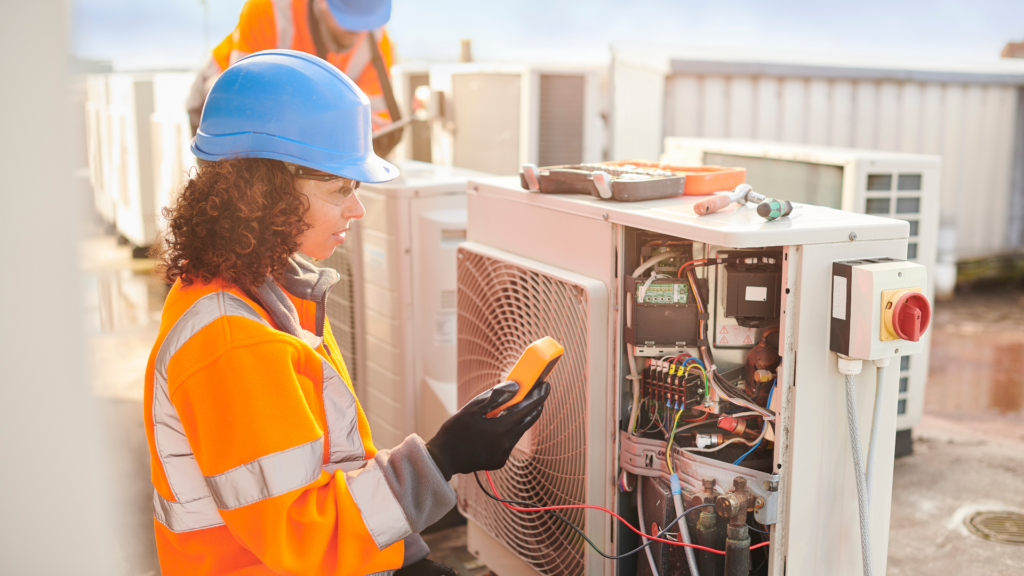
Here’s the truth that most people don’t know: the biggest risk factor in electrical work isn’t electricity, it’s working near it without the right training and equipment.
The hazards that trained electrical workers deal with every day are real, including shock and electrocution from live wires, arc flashes, and more, but they’re also predictable. And when you can predict a hazard, you can prepare for it!
Surprisingly to many people, falls are actually the leading cause of serious injuries in the electrical trades, not electric shock. Electrical workers regularly work on ladders, scaffolding, and elevated platforms, and getting that work done safely requires just as much skill and awareness as working with electricity itself. The good news? There’s tons of safety training for that, too!
How Do Electricians Stay Safe?
From day one of apprenticeship, before learning anything about a single wire, conduit run, or circuit panel, electrical apprentices learn safety. Where the hazards are, how to recognize them, and what to do before anyone starts work. Safety isn’t a class you take and move on from. It’s the foundation that everything else gets built on top of.
Safety is built into everything electrical workers do. Before a job starts, the site gets checked out and a safety plan gets put in place. Teams go over what the work involves, what could go wrong, and how to make sure it doesn’t. Experienced journeyworkers set the tone, and apprentices and newer electrical workers learn by working alongside them every day. That’s how the habits form, and how a culture that genuinely puts safety first gets passed down from one generation of electrical workers to the next.
A big part of the daily safety plan is making sure you’re geared up and prepared for that day’s work, and any specific hazards you may face. Electrical workers don’t just throw on a hard hat and get to work without thinking twice. The gear they wear is specialized and deliberate. Depending on the task, they may wear arc-rated clothing designed to protect against sudden electrical faults, insulated gloves rated for specific voltage levels, face shields, and non-conductive boots. The right gear gets chosen for the specific demands of the job, every time, because the right protection is part of the plan, not an afterthought.
So, Is Electrical Work Safe?
Absolutely. And here’s why: in the electrical trades, safety isn’t just a priority, it’s a point of pride. Electrical workers are known across the construction industry for how they approach the work: prepared, disciplined, and looking out for everyone on the job site.
When you enter the trades through a registered apprenticeship, you don’t just learn a skill, you join a profession that has spent decades building a culture that puts your safety first, making sure you and everyone else go home safe at the end of every day.
Learn more about a career in electrical work and get started today!