
Summary: Thinking about a career in the trades but not sure if electrical work is the right fit? You’ve probably heard a few things — that it’s dangerous, dirty, or only for certain people. The truth is, most of what people think they know about electrical work is outdated. In this post, we’re breaking down the most common myths and showing what this career is really about: skill, safety, growth, and opportunity.
If you’ve ever thought about getting into the building trades, you’ve probably heard some version of this before:
Isn’t that kind of dangerous?
Why not find a “real” job that pays better?
That’s work for a young man.
These comments are everywhere — from well-meaning relatives to online career forums — but most of those ideas are outdated or just plain wrong.
Electrical work isn’t a fallback. It’s a modern, well-paying, high-skill career that powers nearly everything we depend on, from hospitals and airports to data centers and solar fields. It’s also one of the few career paths where you can start earning immediately, get real training, and build a future without taking on student debt.
Yet, because of old stereotypes about “blue-collar” work, many people never give it a fair look and miss out on a career that’s stable, respected, and full of growth.
So let’s clear things up.
What are the most common myths about electrical work?
Myth 1: Electrical work doesn’t pay well
Reality:
A lot of people assume that trade work means low pay, but that couldn’t be further from the truth. Once fully trained, skilled electrical workers often make as much or more than college graduates, sometimes well into six-figures, especially in specialized areas like renewable energy, industrial systems, or project management. And here’s something most people don’t realize: while others are racking up student loans, people in the electrical trades are already earning, saving, and building a future. Imagine starting out as an apprentice right out of high school — talk about real financial stability and freedom!
Myth 2: Electrical work is dirty and uncomfortable
Reality:
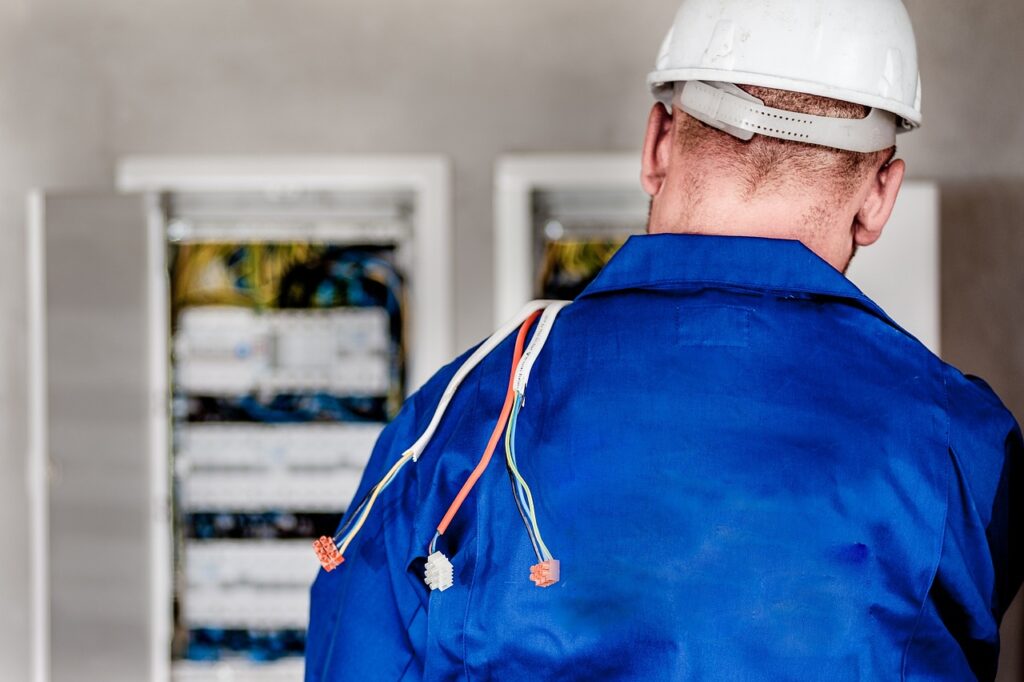
Sure, electrical work can get messy at times and job sites aren’t always glamorous, but it’s certainly not all grit and grime. Many electrical projects happen in clean, temperature-controlled sites like hospitals, offices, and data centers.
The real appeal of electrical work is the variety. In electrical work, you’re not stuck behind a desk or in a cubicle. You’re out in the world, using your hands and your mind to build something real. For a lot of people, that’s a huge part of the satisfaction, and worth the trade-off.
Myth 3: Electrical work is only for men
Reality:
Women are entering the electrical field in record numbers, and apprenticeship programs are actively working to welcome and support them.
This career rewards precision, patience, and problem-solving — qualities that have nothing to do with gender. Women are leading crews, managing projects, and running businesses across the country. The door is open to anyone ready to step through it.
Myth 4: There’s no career advancement
Reality:
Electrical work is one of the few careers with a clear, built-in path forward. After completing an apprenticeship, you can become a journey-level worker, a foreman, a project manager, or even start your own business. Some electrical workers move into inspection, estimating, or training new apprentices, while others choose to specialize in areas like green energy or smart building systems. The opportunities are here for anyone who wants to keep growing, and they continue to expand as technology evolves.
Myth 5: Electrical work is too dangerous
Reality:
It’s true that electrical work involves risk — you’re dealing with live power, after all — but that doesn’t mean the job is unsafe. Safety is built into everything electrical workers do. From day one of an apprenticeship, you’re trained to recognize hazards, use the right protective gear, and follow safety procedures that are tested and proven. Electrical workers never “wing it”; every task is done by the book, with intention and preparation. The truth is, when you’re trained properly, electrical work can be no more dangerous than driving to work (and probably a lot more rewarding once you get there!)
Myth 6: Electrical workers only fix and run wiring.
Reality:
Electrical work goes far beyond basic wiring. It includes everything from installing smart systems and renewable energy equipment to programming automated building controls. Electrical workers are the people who keep power, data, and technology running smoothly in homes, businesses, and entire cities.
One day, you might be helping power a new hospital or setting up lighting for a sports arena, and the next you could be working on a solar field, wiring electric vehicle charging stations, or troubleshooting a control panel in a high-rise. Or you might decide to become a lineworker, and be part of the crews that keep neighborhoods lit and restore power after a storm. Electrical work is hands-on work with a big impact! Every project is different, and every job matters.
Myth 7: You can learn electrical work on your own
Reality:
Electrical work is highly skilled and requires formal training. Sure, Uncle Joe may have done a DIY job at his house “successfully,” but unlicensed work can be extremely dangerous and often illegal. Electrical work takes training, precision, and a deep understanding of safety codes and systems. That’s why most states require that electricians be licensed. It’s also why registered apprenticeships exist and require many hours of combined classroom and lab instruction, along with supervised, hands-on experience. You can’t shortcut the kind of expertise needed, and once you’ve earned it, it’s a skill set that will always be in demand.
Myth 8: Electrical work is only for young people
Reality:
There’s no age limit on starting something new, and that’s especially true in the electrical trades. Plenty of people enter electrical apprenticeships in their 30s, 40s, and even 50s. Career changers, veterans, and adults looking for stable, meaningful work thrive in this field.
The combination of working with your hands and problem-solving all day long keeps the job interesting, and apprenticeships are open to anyone who’s ready to learn, regardless of age or background. All you need to succeed is motivation and a willingness to learn!
What Electrical Work is All About
Electrical work isn’t what a lot of people think it is. It’s not a backup plan or a “plan B.” It’s a career built on skill, safety, and pride, and one that offers real training, real pay, and real growth.
If you’re looking for a path that challenges you, pays well, and lets you see the results of your work every day, this might be the perfect career for you. You don’t need a degree, you just need curiosity, determination, and the drive to learn.